
Getting started7 min read
Discovering the World of Sports Supplements
An approachable introduction to what sports supplements are, where you might see them and why people talk about them.
Read guideStraightforward answers to questions that often come up when exploring supplements for the first time.

New to the subject? You are likely to have practical questions before you even know which terms to search for. Here are clear, non-sales answers to some of the most common starting points.
No. “Sports supplements” is an umbrella expression, not a fixed recipe. Products may have different ingredients, intended audiences, serving sizes and formats. Two packages placed beside each other in a shop might only share the fact that they are marketed to people who exercise.
For that reason, a general statement about “supplements” may be too broad to be meaningful. Always check which specific type of product a source is discussing.
It can help to imagine two unbranded packages with similar styling. One may contain a single declared substance and another a mixture of ingredients. A label might describe an amount per capsule, while another uses a quantity per scoop. Even if the packaging uses the same general fitness vocabulary, these are not interchangeable descriptions.
When you are unsure whether two items belong in the same category, ask what they actually are. Is the item described as a food supplement, a drink, an ordinary food or a different type of product? Checking that starting point often resolves confusion before any detailed comparison begins.
Food, drinks and supplements can all be discussed within nutrition, but they are not interchangeable terms. Food supplements may be subject to specific definitions and labelling requirements. Everyday groceries, specialist sports foods and food supplements can all be marketed to active people, although the relevant rules may differ.
A supplement is intended to complement the normal diet, not replace a varied, balanced one. That is one reason to read broad product claims with care.
In everyday conversation, people may use “sports food” and “supplement” loosely. For clearer reading, look for the precise product description instead of relying on a shelf sign or advertising headline. Foods can be part of ordinary meals; some specialist products are offered in convenient formats; and food supplements have their own labelling requirements.
One difference is the role each item plays in a discussion. A meal might be talked about in terms of variety and routine, whereas a supplement label often focuses on named ingredients and measured quantities. Neither way of describing an item tells the complete story of a person's eating habits.
Those are different ways of packaging and presenting ingredients. A powder may be mixed into a drink; capsules and tablets are counted by unit; some liquids are ready to consume. The format alone does not tell you the quantity of a named ingredient or whether two products contain the same thing.
Terms such as “per serving”, “per 100 g” and “per daily portion” refer to different reference amounts. Comparing those quantities requires paying attention to the unit used.
There are also practical packaging questions. Is the item individually wrapped or sold in a larger container? Is it ready to use, or does it need mixing? How is the quantity expressed? These questions are straightforward to answer from the pack and do not require assumptions about performance.
For example, “30 servings” describes how the manufacturer has divided the contents for reference. It does not tell you whether two tubs have equal total amounts of the same ingredient. To understand quantities, look for the net content and the stated information per serving or per unit.
Depending on the product, labels can give an ingredient list, a net quantity, serving information, warnings, storage details and the name of the responsible business. They are a starting point for understanding what is sold. They cannot tell you everything about a person's diet or predict an individual's experience.
Read beyond the largest print. Ingredients may appear in a list, allergens may be highlighted, and additional details can be placed on a side panel. If an item has several components, the ingredient list is usually a better place to understand the whole product than its headline. Warnings and storage details are also part of the information, not optional fine print.
Different labels may use different reference measures. When comparing two descriptions, note whether the figures refer to 100 g, 100 ml, a capsule, a scoop or a named portion. Numbers become meaningful only when you know what they measure.
No single website, video or review deserves automatic trust. Look for clear explanations, relevant sources, dates and a distinction between evidence and opinion. Be especially cautious of dramatic before-and-after stories, sweeping promises and pages that make it hard to tell education from marketing.
Our source-checking guide offers a simple way to approach those claims without requiring specialist knowledge.
A review can still be useful for learning how another person describes a flavour or packaging experience, but it does not replace evidence for a broad factual claim. Likewise, a large number of followers does not establish an author's expertise. Useful signs include a visible publication date, transparent authorship, careful language and relevant links to primary or official sources.
If a claim sounds unusually absolute, try rewriting it as a question. What outcome is being asserted? For which product? Compared with what? On what evidence? A claim that becomes difficult to explain when these questions are asked may need closer examination.
General definitions may be useful to many people, but personal circumstances vary. Age, medical history, medication, diet and sporting context can affect which questions are relevant. This site does not provide individual recommendations, dosages or advice about whether a supplement is appropriate.
If you have an individual health or dietary question, speak to a suitably qualified professional. If you simply want to understand the language, start with our beginner’s glossary.
The same basic glossary can serve many readers, but personal decisions require context. A person managing an allergy may need to check a different part of a label from someone who is simply curious about ingredients. Someone taking prescribed medicines has questions that an ordinary blog post should not attempt to settle.
Being a beginner does not mean you need to learn everything at once. Start with the definitions, identify what you do and do not know, and use professional sources when a question moves beyond general education. That boundary is a useful part of becoming an informed reader.
This guide offers general educational information. It does not recommend particular products or replace professional advice tailored to your circumstances.
KEEP READING
An approachable introduction to what sports supplements are, where you might see them and why people talk about them.
Read guide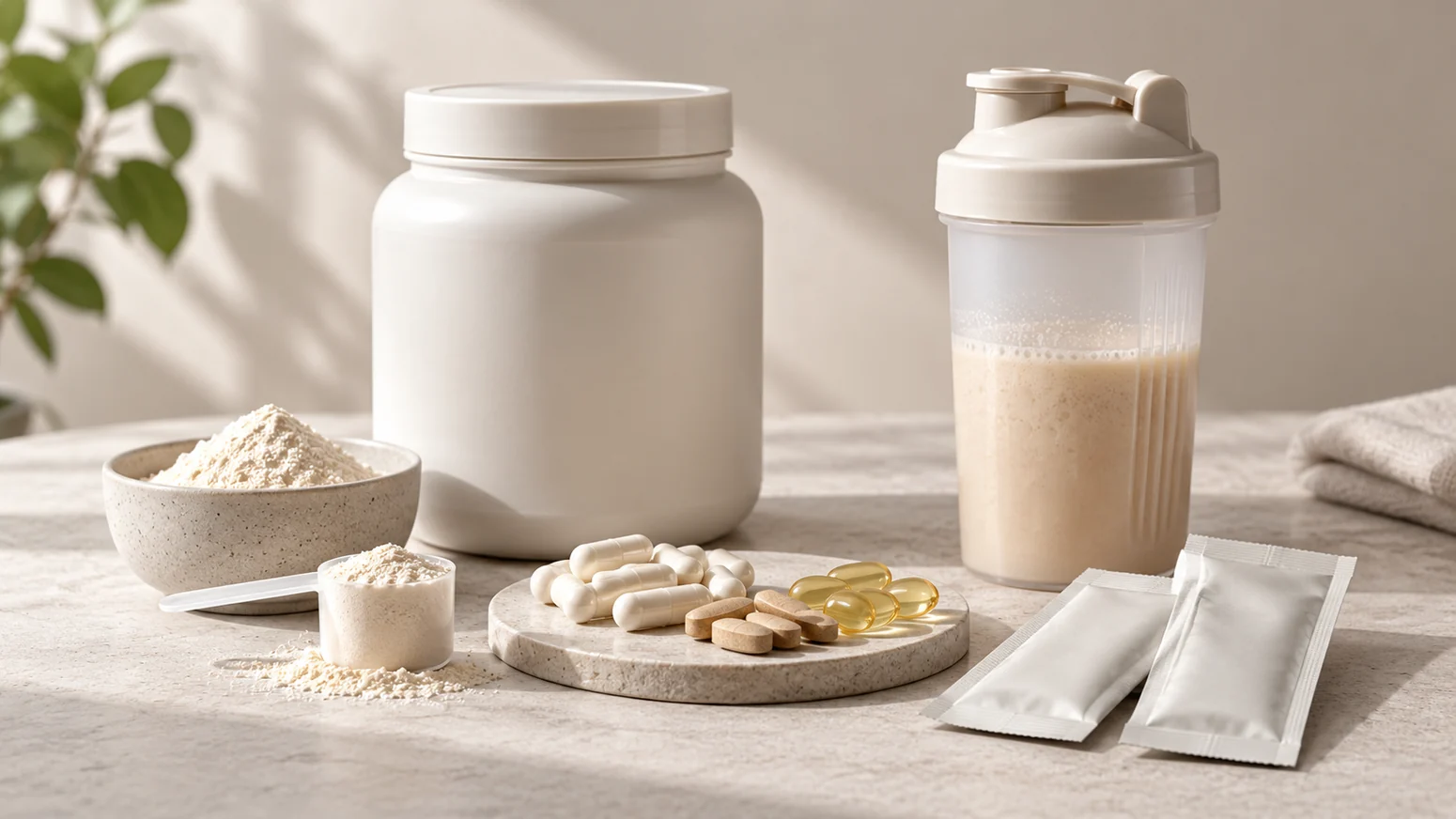
See how supplements relate to everyday meals, routines and the wider picture of an active lifestyle.
Read guide
Understand the everyday words found in articles, on packs and in conversations about sports nutrition.
Read guide